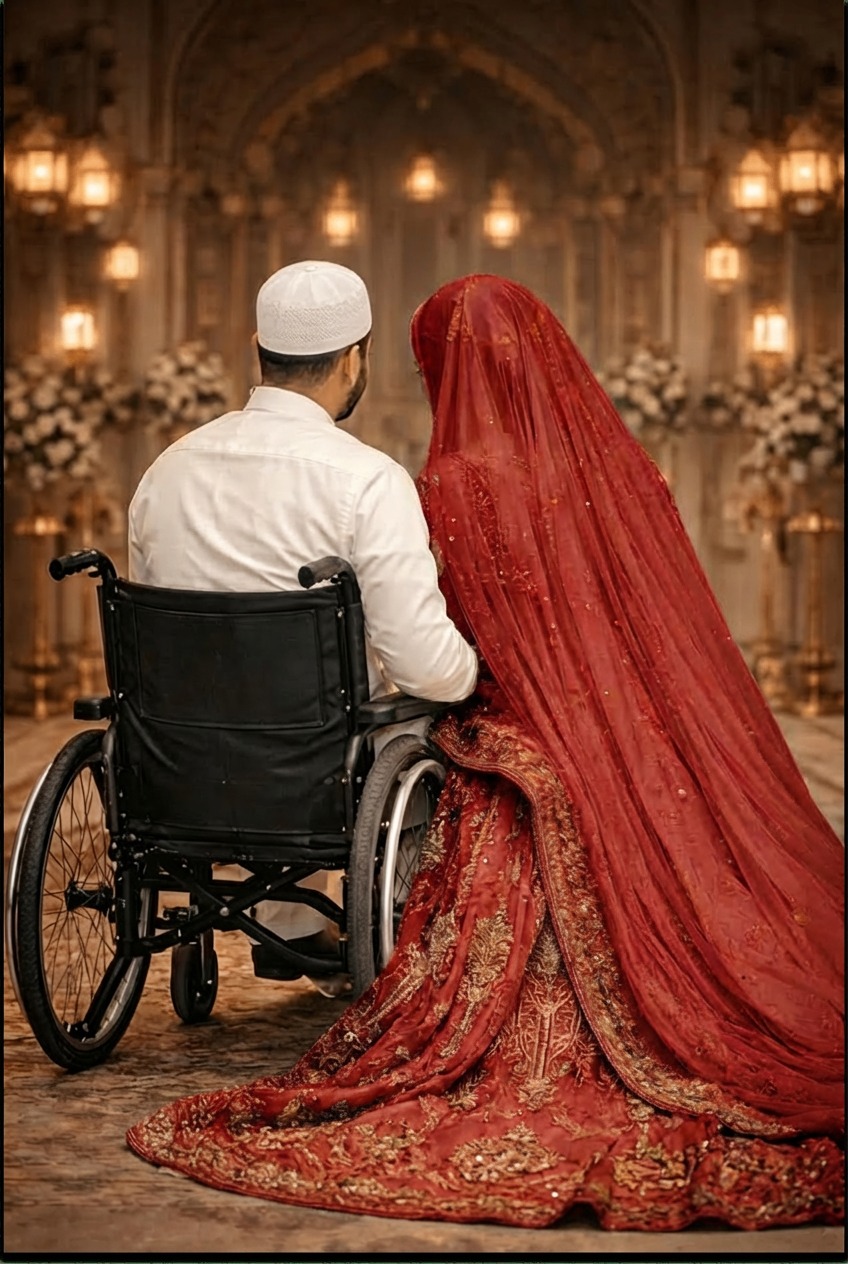
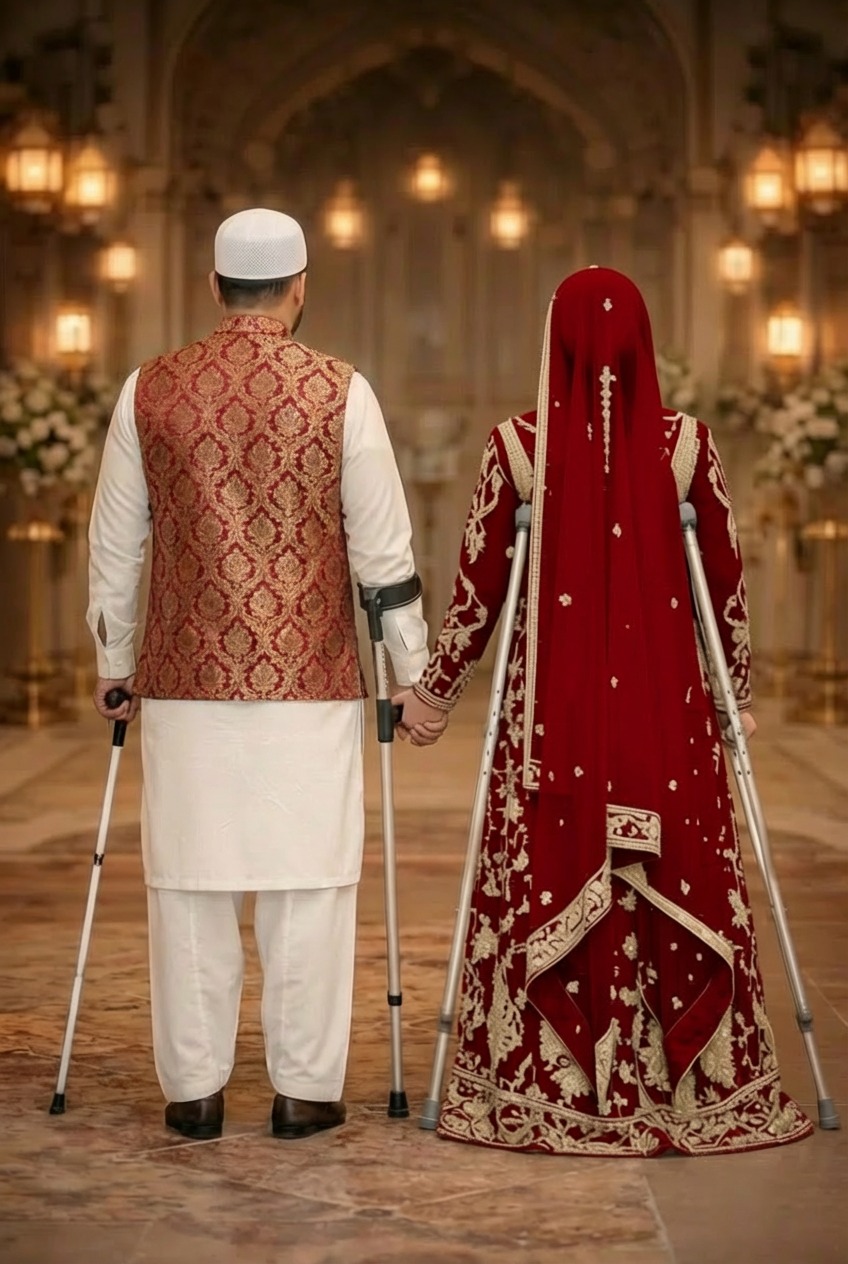
At Raabta, we believe that physical challenges do not define a person’s worth. In Islam, honor is measured by taqwa, character, and intention — not ability or appearance.
Raabta is a Shariah-compliant matrimonial platform, created exclusively to help specially abled brothers and sisters find a respectful, dignified, and halal path to marriage — with privacy, care, and understanding at its core.
Raabta is proudly initiated under Tooba Foundation, a welfare organization committed to dignity, inclusion, and empowering specially abled individuals through faith-based initiatives.
Raabta is built on the Islamic values of rahmah (mercy), sabr (patience), and amanah (trust). We understand the emotional, social, and family challenges that specially abled individuals often face — and we are here to support them with dignity.
A Safe Space for Specially Abled Muslims
Raabta is not just a matrimonial website — it is a faith-based support system
Start with values and deen before photos and surface-level decisions.
Admin verification for extra trust and better quality matches.
A guided proposal process designed to keep families aligned.
Strong controls for visibility, requests, and profile sharing.
Designed around respectful boundaries and halal standards.
Moderation and rules that keep the experience safe and dignified.
A Simple, Halal, and Guided Process
Create a profile with accurate personal or family details. No public photos required.
Send or receive proposals based on compatibility and family preferences.
Our team verifies both parties before forwarding proposals.
Only suitable and approved proposals are shared to protect emotions and privacy.
Families may respond, request additional details, or proceed further.
With mutual consent, families move forward towards engagement and nikah.
Raabta is committed to serving the Ummah by facilitating halal marriages for specially abled Muslims, with compassion, patience, and Islamic integrity.
"And among His signs is that He created for you spouses that you may find tranquility in them." — Surah Ar-Rum (30:21)